Table of Contents
Quick answer: Dogs lick their paws to clean them, and a little licking after a walk or before a nap is normal. Constant licking usually points to a problem. The most common causes are allergies (to pollen, dust, or food), yeast or bacterial infections, dry or irritated skin, something stuck in the paw, pain from an injury or arthritis, fleas, and boredom or anxiety. Call your vet if the licking goes on for more than a few days, or if you see redness, swelling, a bad smell, limping, or brown staining on the fur.
You’re trying to sleep, and all you can hear is that slurp, slurp, slurp from the foot of the bed. If you’ve asked yourself “why does my dog lick his paws so much,” you’re not alone. It’s one of the most common reasons dog owners call the vet.
Some paw licking is just grooming. But when it turns into a nightly habit, or your dog chews at the same foot over and over, something is usually bothering them. This guide walks you through the most common causes, what you can check at home, and when it’s time for a vet visit.
Table of Contents
- Why Does My Dog Lick His Paws So Much? Normal vs Too Much
- 8 Common Reasons Dogs Lick Their Paws
- Why Does My Dog Lick His Paws at Night?
- What to Check at Home
- Safe Things to Try at Home
- When to Call the Vet
- Frequently Asked Questions
Why Does My Dog Lick His Paws So Much? Normal vs Too Much
Dogs groom themselves with their tongues, just less than cats do. A quick lick after coming in from the yard, or a few minutes of licking before falling asleep, is normal.
It’s a problem when you notice:
- Licking that goes on for long stretches, many times a day
- Licking that wakes your dog (or you) up at night
- Red, pink, or rusty-brown fur on the paws
- Swollen, red, or moist skin between the toes
- A sour, yeasty, or “corn chip” smell from the feet
- Limping, or your dog not wanting you to touch a paw
That reddish-brown staining comes from a pigment in dog saliva. It shows up most on light-colored dogs and is a sign the licking has been going on for a while.
8 Common Reasons Dogs Lick Their Paws
1. Allergies
Allergies are the top cause of constant paw licking. Dogs with allergies often feel itchy in their feet, face, ears, belly, and armpits.
- Environmental allergies come from things like pollen, grass, mold, and dust mites. Licking often gets worse in spring and fall, or after time outside.
- Food allergies are less common, but they can cause year-round itching, often along with ear infections or an upset stomach. Chicken and beef are common triggers.
If your dog also scratches their ears, rubs their face on the carpet, or gets ear infections often, allergies are a strong possibility.
2. Yeast or Bacterial Infections
Constant licking keeps the skin between the toes warm and damp, which is perfect for yeast and bacteria to grow. An infection makes the itching worse, so the dog licks more. It’s a cycle.
Yeast often causes a greasy feel, a brown color on the skin, and a strong smell. Bacterial infections may cause red bumps, pus, or crusts. Both need treatment from your vet.
3. Dry, Cracked, or Irritated Skin
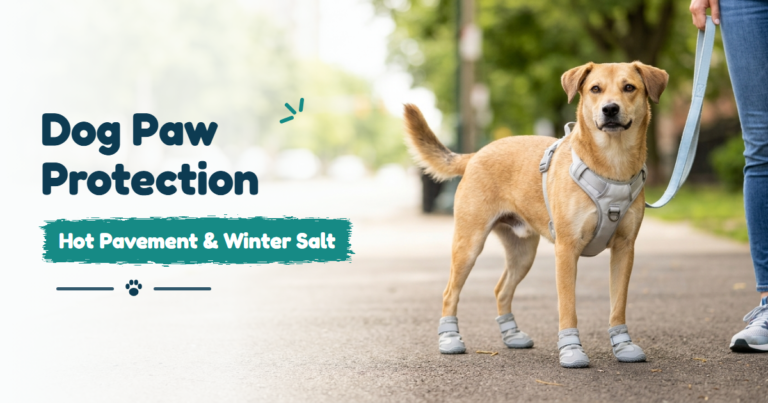
Cold weather, hot pavement, salt, harsh floor cleaners, and lawn chemicals can all irritate the pads and skin. Dry, cracked pads may feel sore or itchy. Our dog paw protection guide covers simple ways to prevent this.
4. Something Stuck in the Paw
If your dog suddenly starts licking one paw, check it first. A grass seed (called a foxtail in many parts of the US), thorn, splinter, burr, or small stone can get stuck between the toes or in the pad. Foxtails are especially dangerous because they can work their way under the skin.
5. Pain From an Injury or Arthritis
Dogs often lick a spot that hurts. A torn nail, a cut pad, a sprained toe, or a nail that’s grown too long can all lead to licking. Older dogs may lick their wrists or paws because of arthritis pain.
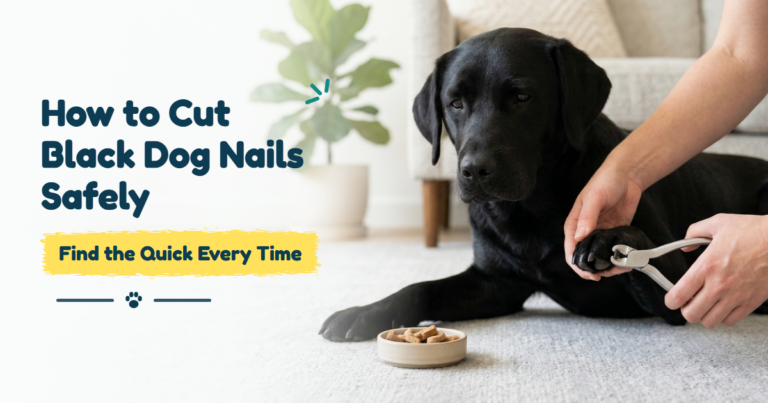
If your dog’s nails click on the floor, they may be too long. Learn how to cut black dog nails safely, even when you can’t see the quick.
6. Fleas, Mites, and Other Parasites
Fleas usually cause itching around the tail and back legs, but some dogs chew at their feet too. Mites and other skin parasites can also cause itchy paws. Year-round flea prevention is the easiest way to rule this out.
7. Boredom or Anxiety
Licking can calm a dog down, a bit like nail biting in people. Dogs who are left alone a lot, don’t get enough exercise, or feel stressed may lick their paws as a habit. This kind of licking often happens when the house is quiet, or when you leave.
More walks, puzzle feeders, chew toys, and short training games help many dogs. If your dog also whines, barks, or destroys things when you’re gone, they may have separation anxiety.
8. Interdigital Cysts and Other Skin Problems
Interdigital cysts (sometimes called furuncles) are painful red bumps between the toes. They can break open and ooze. Other causes, like hormone problems or immune conditions, are less common but possible. Your vet can sort these out.
Why Does My Dog Lick His Paws at Night?
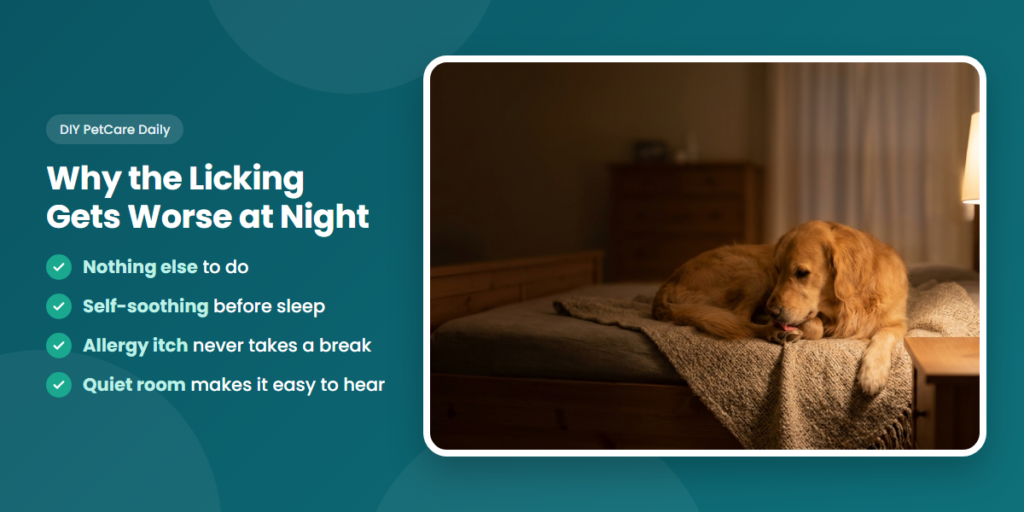
Many owners notice the licking is worst at night. There are a few reasons for that:
- There’s nothing else to do. During the day, your dog is busy. At night, the itch gets all their attention.
- It’s a self-soothing habit. Some dogs lick to settle down before sleep.
- Allergies don’t take breaks. Itching from allergies goes on all day, but you’re more likely to hear it in a quiet room.
A little licking before bed is fine. Licking that keeps your dog awake or goes on for a long time is worth a vet visit.
What to Check at Home
Before you call the vet, take a close look at your dog’s paws in good light.
- Spread the toes apart and look between them for redness, swelling, bumps, or anything stuck.
- Check the pads for cuts, cracks, blisters, or burns.
- Look at the nails for cracks, breaks, or nails that are too long.
- Smell the paws. A strong yeasty or sour smell suggests an infection.
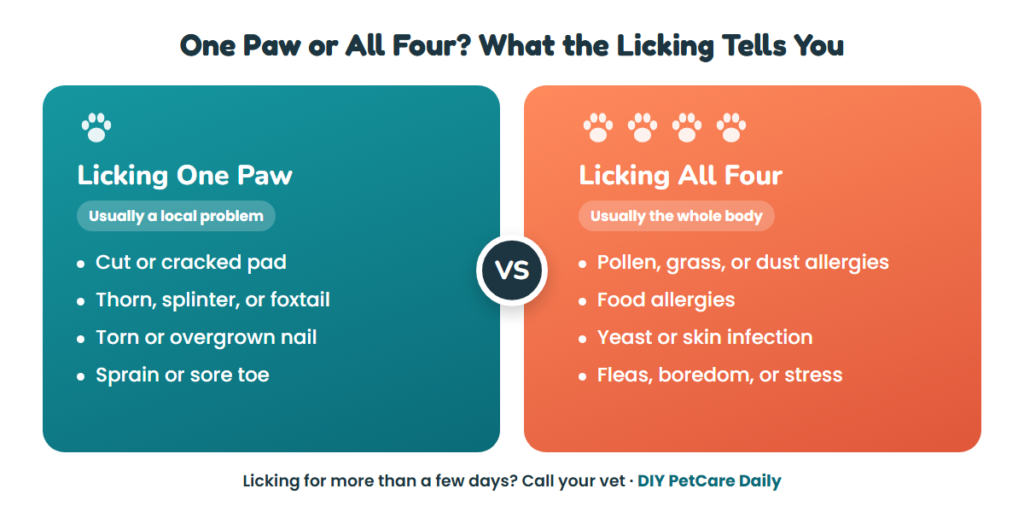
- Notice the pattern. Is it one paw or all four? Is it worse in certain seasons, after walks, or when you leave?
Licking one paw usually means a local problem, like an injury or something stuck. Licking all four paws points more to allergies or a skin condition.
Safe Things to Try at Home
These steps can help with mild licking while you watch for improvement:
- Wipe the paws after walks with a damp cloth or pet-safe wipe to remove pollen, dirt, and chemicals. Dry well between the toes.
- Keep nails and toe fur trimmed so dirt and moisture don’t get trapped.
- Use a dog paw balm for dry or cracked pads.
- Add more exercise and play if boredom might be the cause.
- Keep up with flea prevention all year.
- Use a cone or a clean dog sock for a short time to break the licking cycle while the skin heals.
Avoid home remedies that can make things worse. Don’t use tea tree oil, which is toxic to dogs. Don’t use human creams or medicines unless your vet tells you to. Apple cider vinegar soaks are popular online, but they can sting broken or raw skin.
When to Call the Vet
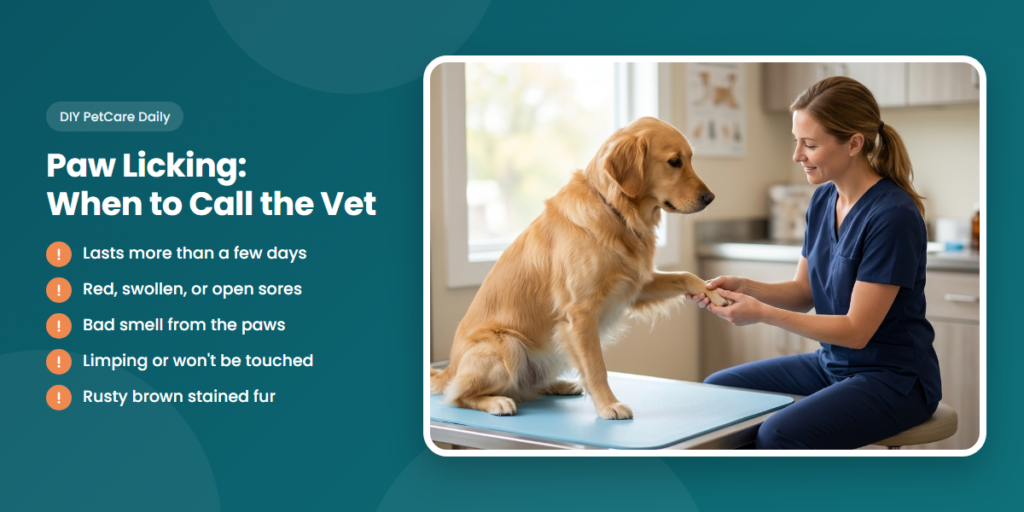
Call your vet if:
- The licking lasts more than a few days or keeps coming back
- You see redness, swelling, bumps, pus, or open sores
- The paws smell bad
- Your dog is limping or won’t let you touch a paw
- You find something stuck that you can’t remove easily
- The fur has turned rusty brown from licking
- Your dog also has ear infections, itchy skin elsewhere, or tummy trouble
Your vet may check skin samples under a microscope, look for parasites, and talk with you about allergy testing or a food trial. A true food trial means feeding a special diet for about 8 weeks, with no other treats or foods, so be ready for that.
Don’t wait on paw licking. The longer it goes on, the more damaged the skin gets, and the harder it can be to treat.
For more paw and nail care guides, visit our Dog Nail & Paw Care section.
Frequently Asked Questions
Is it normal for my dog to lick his paws every day?
A small amount of licking every day, like after a walk or before a nap, is normal. Long licking sessions, licking that wakes your dog, or licking that causes red or stained fur is not normal.
Why does my dog lick his paws and then my hand?
Dogs lick people to show affection, get attention, or because your skin tastes salty. Licking you after licking their paws doesn’t mean much on its own, but if the paw licking is constant, look for a cause.
Can food cause paw licking in dogs?
Yes. Food allergies can cause itchy paws, ears, and skin. They’re less common than environmental allergies. Your vet can guide you through an elimination diet to find out.
Should I stop my dog from licking his paws?
You should stop it if it’s constant, because licking damages the skin and can lead to infection. A cone or dog sock helps for a short time, but you also need to find and treat the cause.
What does it mean if my dog’s paws smell like corn chips?
A mild corn chip smell is common and comes from normal bacteria and yeast. A very strong smell, especially with licking, redness, or a greasy feel, can mean an infection that needs a vet visit.