Cat Food & Nutrition
Clear, practical cat nutrition guides for everyday feeding. Find out how much to feed, which food type suits your cat, and which human foods to keep off their plate.
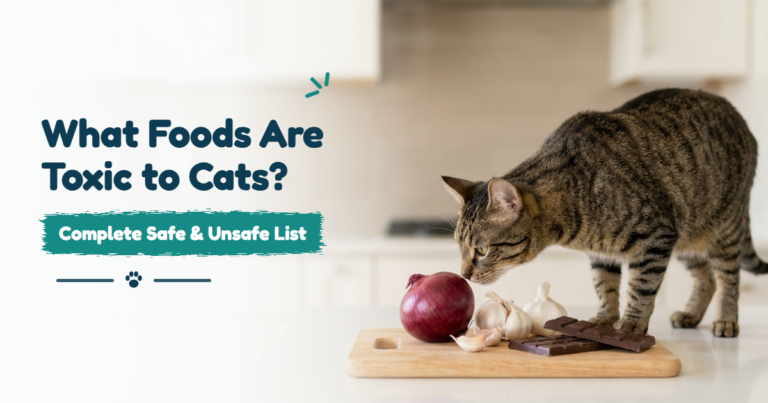
Foods That Are Toxic to Cats: A Complete Safe and Unsafe List
Quick answer: The most dangerous foods toxic to cats are onions, garlic, chives, and leeks (in any form), chocolate, caffeine, alcohol, raw yeast...
Read More →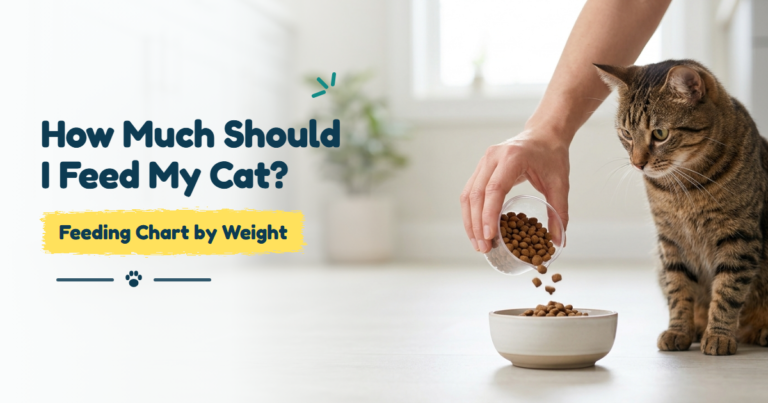
How Much Should I Feed My Cat? A Feeding Guide by Weight
Quick answer: How much should you feed your cat? A healthy, indoor, spayed or neutered adult cat at an ideal weight of 10...
Read More →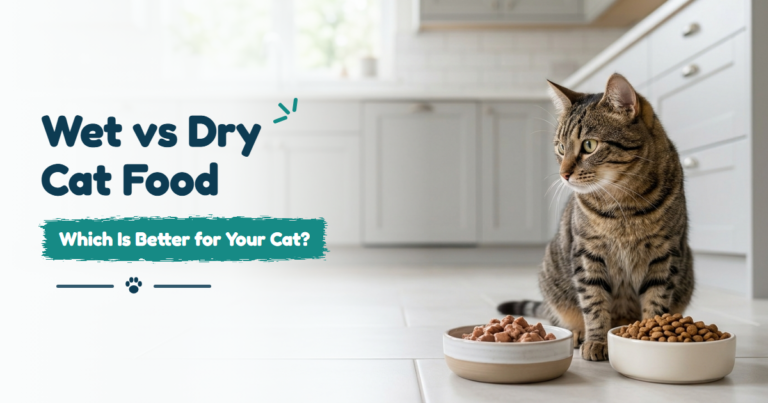
Wet vs Dry Cat Food: Which Is Better for Your Cat?
Quick answer: In the wet vs dry cat food debate, wet food is usually the better choice for hydration, urinary health, and weight...
Read More →The Basics of Feeding a Cat
Cats are obligate carnivores, which means they need nutrients found in animal protein, like taurine, to stay healthy. Most cats do best on a complete and balanced commercial food, served in measured portions instead of a bowl that’s always full. Fresh water matters just as much, since many cats don’t drink enough on their own.
- How much to feed your cat: a simple feeding chart by weight
- Wet vs dry cat food: the pros and cons of each
- Foods that are toxic to cats: a safe and unsafe list
Calories, Weight, and Homemade Options
Portions depend on your cat’s weight, age, and activity level. For a personal number, use our cat calorie calculator. If you like to cook, our homemade cat treats recipes are an easy start. Always talk to your vet before switching to a fully homemade diet, since cats need carefully balanced nutrients.