Table of Contents
- Table of Contents
- Why Do Dogs Shed?
- Is It Normal for Dogs to Shed a Lot?
- Normal vs. Excessive Shedding in Dogs
- Why Is My Dog Shedding So Much? The Season Explains a Lot
- Why Is My Dog Shedding More Than Usual? Other Causes
- What Helps Reduce Dog Shedding at Home
- How to Keep Dog Hair Under Control at Home
- When to See a Vet About Shedding
- Frequently Asked Questions
Quick answer: Why is my dog shedding so much? Most of the time, it’s normal. Dogs with double coats “blow” their undercoat in spring and fall, and indoor dogs often shed a little all year because of indoor light and heat. Brushing a few times a week, a good diet, and regular baths help a lot. If you see bald patches, red skin, scabs, or nonstop scratching, see your vet, because that isn’t normal shedding.
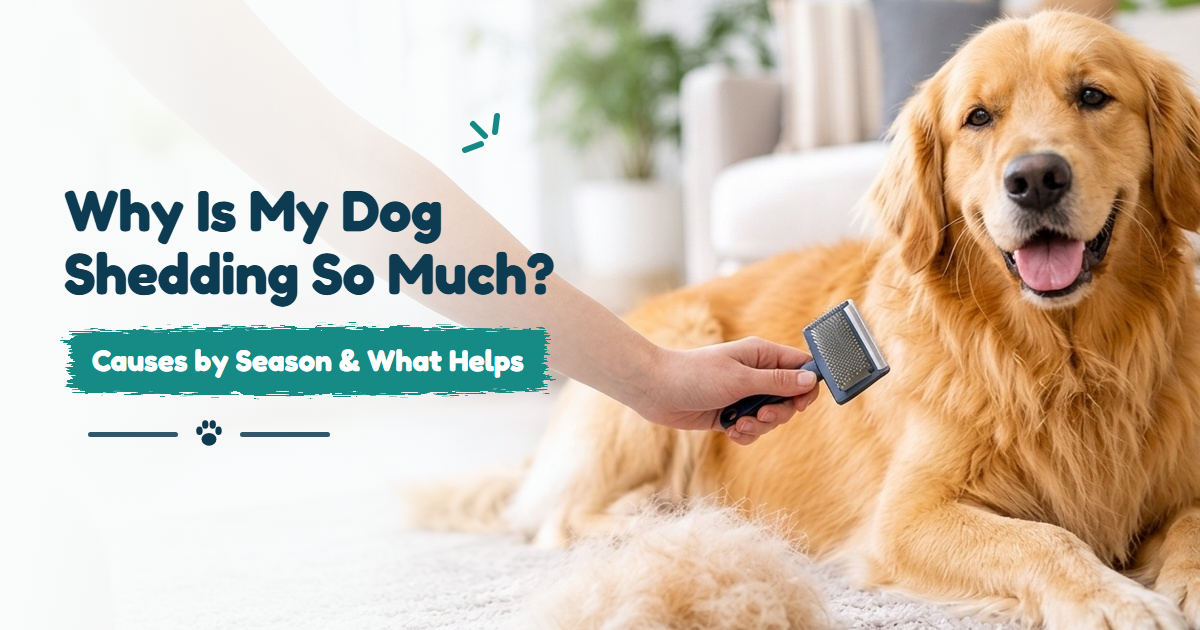
If you’re asking “why is my dog shedding so much,” you’re probably finding hair on the couch, on your clothes, and maybe in your food. The good news is that most shedding is healthy. Dogs replace old hair all the time, and some breeds just do it in big waves.
This guide explains why dogs shed, how to tell normal shedding from excessive shedding, how it changes with the seasons, what else can make a dog shed more than usual, and what you can do at home to keep it under control.
Table of Contents
- Why Do Dogs Shed?
- Is It Normal for Dogs to Shed a Lot?
- Normal vs. Excessive Shedding in Dogs
- Why Is My Dog Shedding So Much? The Season Explains a Lot
- Why Is My Dog Shedding More Than Usual? Other Causes
- What Helps Reduce Dog Shedding at Home
- How to Keep Dog Hair Under Control at Home
- When to See a Vet About Shedding
- Frequently Asked Questions
Why Do Dogs Shed?
Shedding is how a dog gets rid of old or damaged hair so new hair can grow in. Every single hair follows the same growth cycle:
- Growth phase (anagen): the hair grows to the length set by your dog’s genes.
- Transition phase (catagen): growth stops and the hair detaches from its blood supply.
- Resting phase (telogen): the old hair sits in the follicle while a new one starts forming underneath.
- Shedding phase (exogen): the old hair falls out, often pushed out by the new one.
How long each phase lasts depends on breed, coat type, hormones, health, and even the amount of daylight. In some breeds, the growth phase is very long, so hair keeps growing and rarely falls out. In others, lots of hairs reach the shedding phase at the same time, and that’s when you see clumps on the floor.
Shedding also does a job. A thick winter undercoat keeps a dog warm, and dropping it in spring helps them stay cool. So a dog that sheds is usually a dog whose coat is working the way it should.
Is It Normal for Dogs to Shed a Lot?
For many dogs, yes. How much hair ends up on your floor depends mostly on your dog’s coat type.
Dogs That Shed the Most
Double-coated breeds have a soft, thick undercoat under a longer top coat. They shed the most. Common examples include:
- Huskies and Malamutes
- German Shepherds
- Golden Retrievers and Labrador Retrievers
- Corgis
- Akitas and Chow Chows
Single-coated short-haired dogs like Beagles, Pugs, and Dalmatians also shed more than many people expect. Their short hairs are just harder to spot until they’re stuck in your couch.
Dogs That Shed the Least
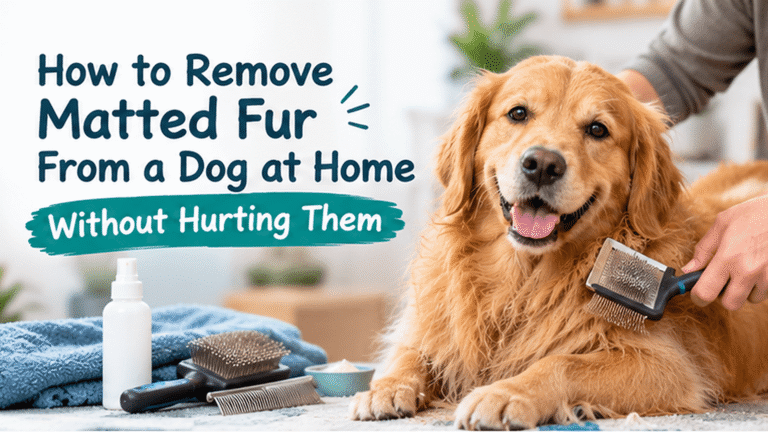
Dogs with hair that keeps growing, like Poodles, Bichons, Shih Tzus, Maltese, Portuguese Water Dogs, and many doodles, drop very little hair. The loose hair gets caught in the coat instead of falling out. That’s why these dogs get mats so easily. If that sounds like your dog, our guide on how to remove matted fur from a dog at home walks you through it.
Normal vs. Excessive Shedding in Dogs
The amount of hair isn’t the best clue. A healthy Husky in spring can fill a trash bag with undercoat. What matters more is what the coat and skin look like. Use this table to check:
| Normal shedding | Excessive shedding (see your vet) | |
| Coat | Even and full, no gaps | Bald patches, thin spots, or patchy fur |
| Skin | Clean and calm | Red, flaky, greasy, scabby, or bumpy |
| Itching | Little or none | Constant scratching, licking, or chewing |
| Timing | Matches the season or a known trigger | No clear reason, or it lasts for months |
| Smell | Normal dog smell | Strong, sour, or yeasty smell |
| Overall health | Eating, playing, acting normal | Weight change, low energy, more thirst |
Signs Your Dog Is Shedding Too Much
If your dog is shedding too much, you’ll usually see more than just extra hair. Watch for hair that comes out in patches instead of evenly, a coat that looks dull and dry, or skin you can see through the fur. Any of these mean it’s time to look for a cause beyond the normal coat cycle.
My Dog Is Shedding Like Crazy: What to Do First
- Check the calendar. Spring and fall are peak shedding seasons for most dogs.
- Part the fur and look at the skin. Healthy skin is pale pink or brown with no redness, scabs, or flakes.
- Look for fleas. Comb the fur over the lower back and check for tiny dark specks (flea dirt).
- Think about recent changes. New food, a move, a vet visit, a heat cycle, or a new pet can all set off extra shedding.
- Brush daily for a week. If the coat looks full and the skin looks healthy, it’s most likely normal shedding that will slow down on its own.
If anything on the skin looks wrong, skip the home fixes and call your vet.
Why Is My Dog Shedding So Much? The Season Explains a Lot
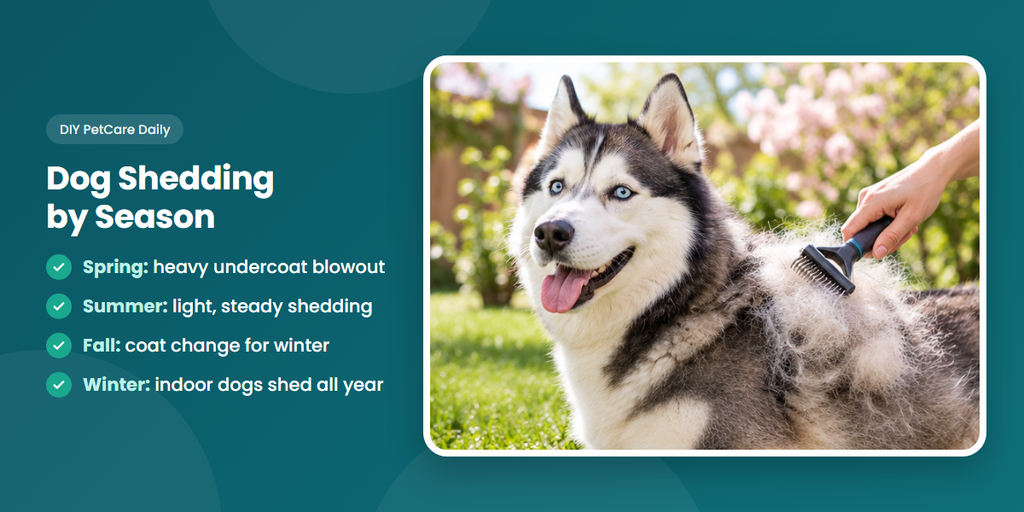
Daylight is one of the biggest triggers. As days get longer or shorter, your dog’s body gets the signal to change coats. Temperature plays a part too.
Spring Shedding
In spring, your dog drops the thick winter undercoat to get ready for warm weather. This is the big one. For double-coated dogs, hair can come out in clumps for two to four weeks. Groomers call this “blowing coat.”
What helps in spring:
- Brush every day during the peak weeks
- Use an undercoat rake or deshedding tool on thick coats
- Give a bath, dry your dog fully, then brush to pull out more dead hair
Summer Shedding
Shedding usually slows down in summer. You may still see light, steady shedding, especially in dogs who swim a lot. Keep brushing regularly and rinse off pool or salt water after swims.
Don’t shave a double-coated dog to cut down on hair. The undercoat helps protect them from heat and sunburn, and shaving can make it grow back patchy.
Fall Shedding
In fall, dogs shed their lighter summer coat to make room for a thicker winter one. It’s often a bit lighter than spring shedding, but double-coated dogs can still drop a lot of hair.
What helps in fall:
- Brush three or four times a week, or daily for heavy shedders
- Check for mats behind the ears and under the collar as the new coat grows in
- Keep baths regular so loose hair doesn’t stay trapped
Winter Shedding
Outdoor dogs shed very little in winter because they need the warm coat. Dry winter air can still make the skin flaky, which adds to the loose hair.
Indoor Dogs Shed All Year
Indoor dogs are different. Heated homes, air conditioning, and indoor lights can mix up the seasonal signal, so many house dogs shed a little all year instead of in two big waves. If your indoor dog seems to shed nonstop, this is the most common reason. Steady brushing and a humidifier in winter can help.
Why Is My Dog Shedding More Than Usual? Other Causes
If the shedding doesn’t match the season, or your dog is shedding more than usual compared to last year, look at these common causes.
Diet and Nutrition
Skin and coat need protein and healthy fats. A low-quality diet, or one that’s low in omega-3 and omega-6 fatty acids, can lead to a dull coat and extra shedding. Ask your vet before adding fish oil or any supplement. If you change foods, do it slowly. Our guide on how to switch dog food has a 10-day plan.
Stress and Anxiety
Dogs often shed more when they’re nervous. A trip to the vet, a car ride, a move, or a new pet in the house can all cause a sudden burst of loose hair. This usually settles once your dog calms down. If the shedding and panting start every time you leave the house, read our guide on dog separation anxiety.
Allergies and Skin Problems
Food or environmental allergies can cause itchy skin, and scratching pulls out hair. Watch for red skin, ear infections, a bad smell, and nonstop licking. Our post on why dogs lick their paws explains what that habit can mean.
Fleas and Other Parasites
Fleas, mites, and ringworm (a fungal infection) can all cause itching and hair loss. Ringworm often shows up as round, crusty bald patches, and it can spread to people, so see your vet if you spot it.
Hormones and Health Conditions
Problems like low thyroid (hypothyroidism) or Cushing’s disease can cause thinning hair, often on both sides of the body. Female dogs may also shed more after a heat cycle or after having puppies.
Bathing Too Often or Too Little
Too many baths can dry out the skin, while too few let dead hair build up. Most dogs do well with a bath every four to eight weeks using a shampoo made for dogs.
What Helps Reduce Dog Shedding at Home
You can’t stop a healthy dog from shedding, but you can catch the hair before it lands on your floor.
Brush on a Regular Schedule
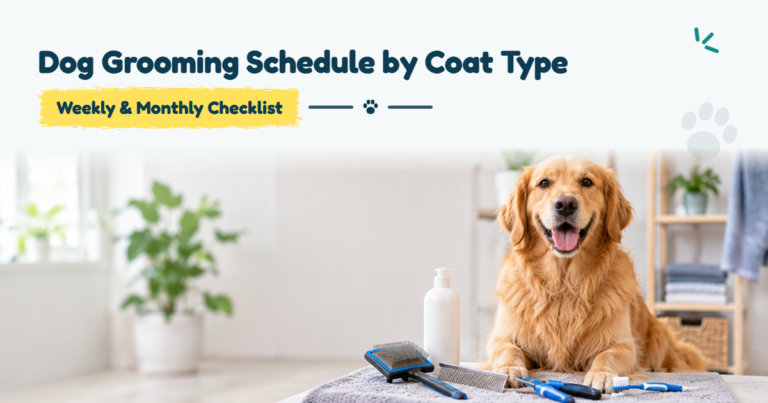
Brushing is the best tool you have. It removes loose hair, spreads natural oils, and helps you spot skin problems early. How often depends on the coat. For a full plan, see our dog grooming schedule by coat type.
Pick the Right Brush
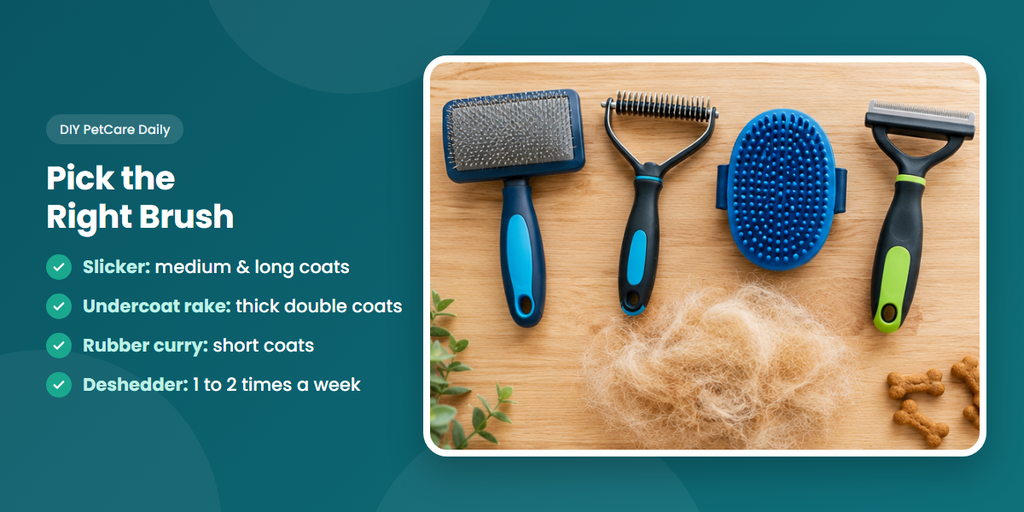
- Slicker brush: good for most medium and long coats
- Undercoat rake: pulls dead hair out of thick double coats
- Rubber curry brush: works well on short coats like Labs and Beagles
- Deshedding tool: use it gently, once or twice a week at most, since it can irritate the skin
Feed a Good-Quality Diet
A complete and balanced dog food, fed in the right amount, gives the coat what it needs. Our dog feeding chart by weight and age helps you check portions.
Bathe and Dry Properly
Rinse well, since leftover shampoo can make the skin itch. Dry your dog all the way, then brush. A lot of dead undercoat comes out right after a bath.
Keep Up With Flea Prevention
Year-round flea control from your vet stops one of the most common causes of itching and hair loss.
Keep Grooming Calm and Short
Short, happy sessions with treats make brushing easier over time. The same slow approach works for other care too, like our 7-day plan for brushing a dog’s teeth.
How to Keep Dog Hair Under Control at Home
Even with good brushing, a heavy shedder will leave hair around the house. A few habits make cleanup much easier:
- Brush outside when you can. Loose undercoat floats, so a porch or backyard keeps it out of your rugs.
- Vacuum often during shedding season. Two or three times a week helps, and a vacuum with a pet hair tool works best on furniture.
- Use washable covers. A blanket on your dog’s favorite couch spot is easier to wash than the couch.
- Keep a lint roller or rubber glove handy. A damp rubber glove pulls hair off fabric quickly.
- Wash your dog’s bed every week or two. Dead hair and dander build up there fast.
- Change your HVAC filter more often. Pet hair clogs it quicker in spring and fall.
When to See a Vet About Shedding
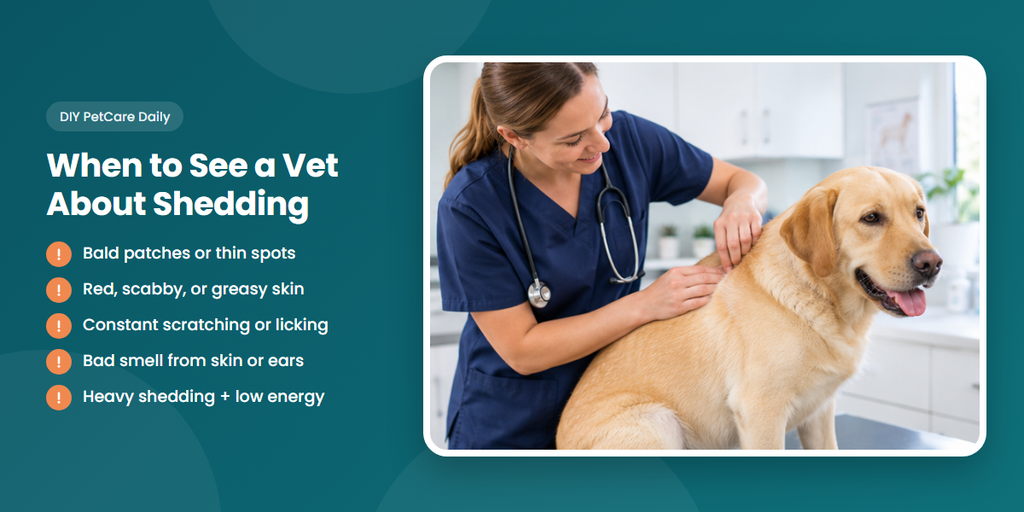
Normal shedding leaves the coat even and full. Call your vet if you notice:
- Bald patches or thin spots
- Red, flaky, scabby, or greasy skin
- Constant scratching, licking, or chewing
- A bad smell from the skin or ears
- Bumps, sores, or open wounds
- Heavy shedding along with weight change, low energy, or more thirst than usual
These signs can point to allergies, infection, parasites, or a hormone problem, and they’re easier to treat when caught early. Your vet may do skin scrapings, a fungal culture, allergy testing, or blood work to find the cause. For more help, browse our Dog Hair & Grooming Care and Dog Health & Wellness sections.
Frequently Asked Questions
Why is my dog shedding so much all of a sudden?
A sudden increase is often seasonal, especially in spring or fall. Stress, a change in food, or a recent heat cycle can also cause it. If you see bald spots or itchy skin along with it, see your vet.
My dog is shedding like crazy. Should I worry?
Not if the coat still looks full, the skin looks healthy, and your dog is acting normal. That’s usually seasonal shedding, and daily brushing helps it pass faster. Call your vet if you see bald patches, red or scabby skin, constant itching, or other changes in health.
How long does seasonal shedding last?
For most double-coated dogs, the heavy part lasts about two to four weeks. Daily brushing during that time gets the loose hair out faster.
Can I shave my dog to stop shedding?
It’s not a good idea for double-coated breeds. Shaving doesn’t stop shedding, you just see shorter hairs. It can also change how the coat grows back and leave the skin open to sunburn.
Does food affect how much a dog sheds?
Yes. A diet low in protein or healthy fats can lead to dry skin and extra shedding. A complete, balanced diet helps keep the coat strong and shiny.

One Response